
The Best Value Swiss Watches to Buy Pre-Owned
Ask which Swiss watches offer the best value when bought pre-owned, and the honest answer points less to a single name than to a handful of categories, along with the qualities that keep a watch desirable long after it leaves the display case.
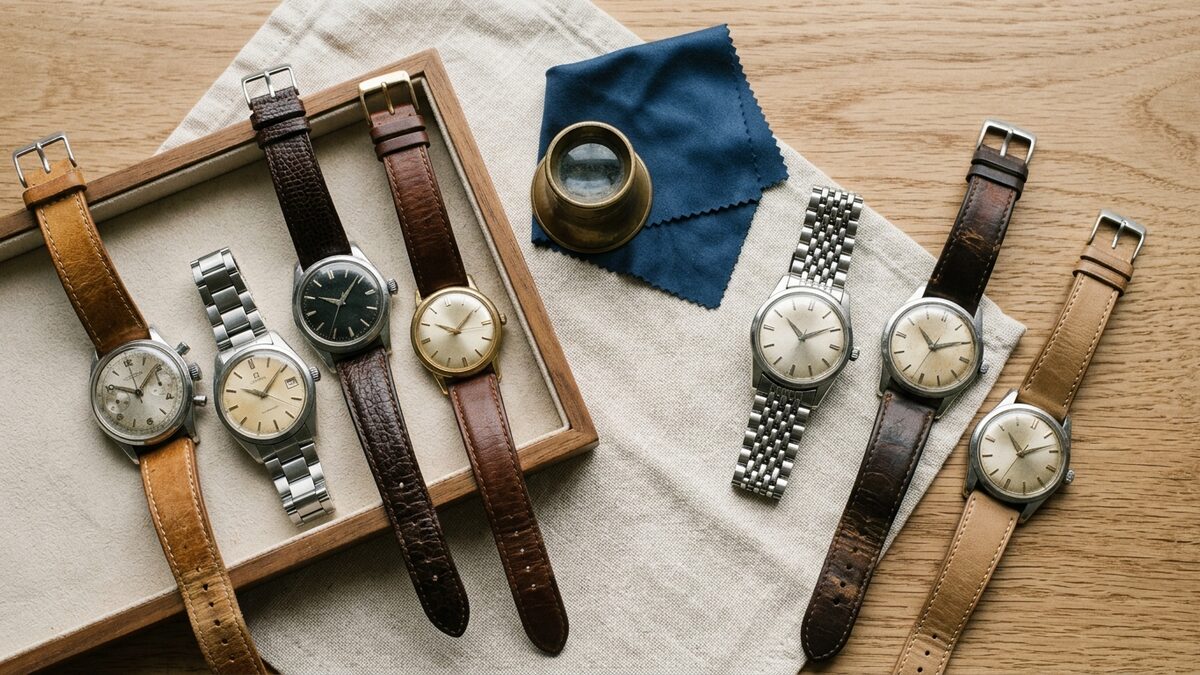
The pre-owned market rewards patience and a little homework. A watch that has already taken its first depreciation, that arrives with a serviceable movement and a traceable history, often represents more considered spending than its showroom equivalent. The difficulty is knowing where lasting value gathers, and which temptations quietly work against it.
What Makes a Pre-Owned Swiss Watch a Sound Value
Value on the secondhand market is rarely about the lowest number. It is about what a watch retains after the purchase: how readily it can be serviced, how well its design has aged, and how little it will surprise you in a decade. A few characteristics tend to travel together on the pieces that reward their owners.
The first is a movement with a known service path. Mechanical calibers produced in volume, or that share architecture across a maker's range, are easier and cheaper to maintain because watchmakers know them and parts remain available. A watch that runs beautifully but cannot be serviced outside a single distant workshop carries a hidden cost that offsets any saving at purchase.
The second is design continuity. References that a house has carried, with restraint, across many years hold their appeal because the market already understands them. A dial layout that looked considered twenty years ago tends to look considered still. Fashion-led cases, by contrast, date quickly and take their resale value with them.
The third is honest condition and documentation. An unpolished case with its original lines intact, a dial free of refinishing, and papers that confirm the watch is what the seller says all protect your position. None of this requires a watch to be pristine; it requires it to be truthful.
Condition of the parts you touch daily also feeds value. A bracelet with minimal stretch, a bezel that still clicks cleanly, and a crown that screws down without complaint all point to a watch that was looked after. These are inexpensive clues that cost nothing to check and tell you a great deal about the years you did not witness.
Finally, coverage matters. Buying a certified piece through an authorized dealer partner brings the reassurance of a MyEssentialSwiss warranty, which covers movement defects, parts, and labor for two years from the date of purchase. That protection narrows the gap between a pre-owned watch and a new one in the way that counts most: what happens if something goes wrong.
The Brand Categories Worth Watching
Rather than chase individual names, it helps to think in categories, because value concentrates in types of watch more reliably than in any single reference.
One rule cuts across every category: brands that maintain a strong service and parts network give their watches a longer, cheaper life, and that shows up directly in what a used example is worth to the next owner.
Established high-volume manufactures are the natural starting point. These are the Swiss houses whose core collections have run for decades with incremental change. Because so many examples exist, prices are rational, service is routine, and you are rarely the first owner to ask a given question. For a buyer who wants a watch to simply be good rather than to be a project, this category is where the soundest value usually sits.
Tool-watch houses form the second group. Dive, pilot, and field watches were built to be used, which means hard-wearing cases, legible dials, and movements chosen for endurance rather than delicacy. Pre-owned, they tend to wear their history well, and honest signs of use rarely compromise function. Their design language also ages gracefully, since legibility and utility do not go out of fashion.
Historic dress-watch houses are the third. Thin cases, clean dials, and classical proportions make these watches quietly versatile, and the secondhand market often prices them below the attention they deserve. The caution here is service history: elegant movements can be more specialized, so documentation and a clear maintenance record matter more than usual.
The fourth group sits at the entry point of independent and higher-tier Swiss watchmaking. These brands buy fewer headlines, which can mean gentler pricing on the used market relative to the quality of finishing and movement inside. They ask more homework of the buyer, but they can offer the most genuine value per franc spent for someone willing to learn the names.
Across all four, the sports-steel reference deserves a note of realism. The most sought-after steel sports watches hold their value so firmly that pre-owned examples rarely represent a bargain. There is nothing wrong with wanting one; just recognize that you are buying desirability rather than value, and let the other categories carry the word value for you.
A few pitfalls deserve naming. Watches assembled from mismatched service parts, dials quietly refinished and sold as original, and references with no paper trail all look like value until the day you try to sell or service them. None of these is always disqualifying, but each should lower the price you are willing to pay, and each is a reason to buy from a seller who stands behind what they list.
It also helps to match the watch to how you will actually wear it. A hard-wearing automatic you can swim, travel, and work in asks less of your caution than a slim dress piece that wants a careful wrist and a drawer. Buying the watch that suits your week, rather than the one that suits a photograph, is itself a form of value, because it is the watch you will keep reaching for.
When it comes time to buy, let the fundamentals decide. Favor a documented movement over a famous name, originality over cosmetic perfection, and a seller who answers questions plainly over one who rushes. Confirm what any warranty actually covers before you commit, and call to verify coverage and terms if anything is unclear. A pre-owned Swiss watch bought on those terms tends to be the one you keep, and the one that keeps its worth.